
Eliminating Solvent Interference: A Guide to Water Suppression in NMR Spectroscopy
When analyzing biological samples, aqueous solutions, protein formulations, or water-soluble organic compounds using Proton (1H) NMR spectroscopy, analysts face a

When analyzing biological samples, aqueous solutions, protein formulations, or water-soluble organic compounds using Proton (1H) NMR spectroscopy, analysts face a
When analyzing organic compounds or pharmaceutical candidates, knowing how atoms are connected through chemical bonds is only part of the
When analyzing complex organic molecules using traditional one-dimensional Proton (1H) NMR, overlapping signals and complex multiplet structures can make it
While techniques like HSQC and HMBC map the chemical connectivity of a molecule through bonds, they often leave a critical
When elucidating complex organic molecules, natural products, or novel drug candidates, establishing direct one-bond connections (such as with HSQC) is
While 1D NMR techniques like Proton (1H) and Carbon (13C) spectra provide foundational data for organic compounds, analyzing complex or
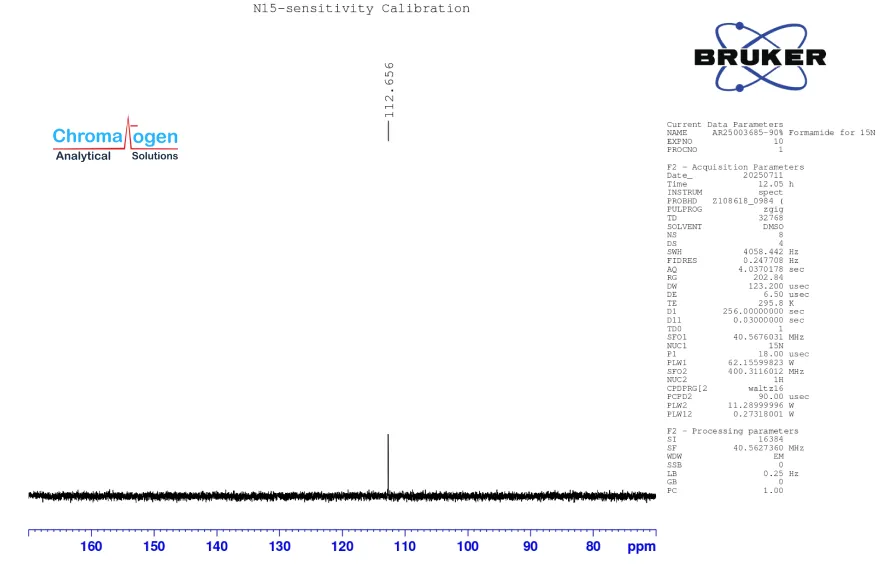
Nitrogen is a foundational element in organic chemistry, pharmaceuticals, proteins, and advanced materials. From amines and amides to complex heterocycles
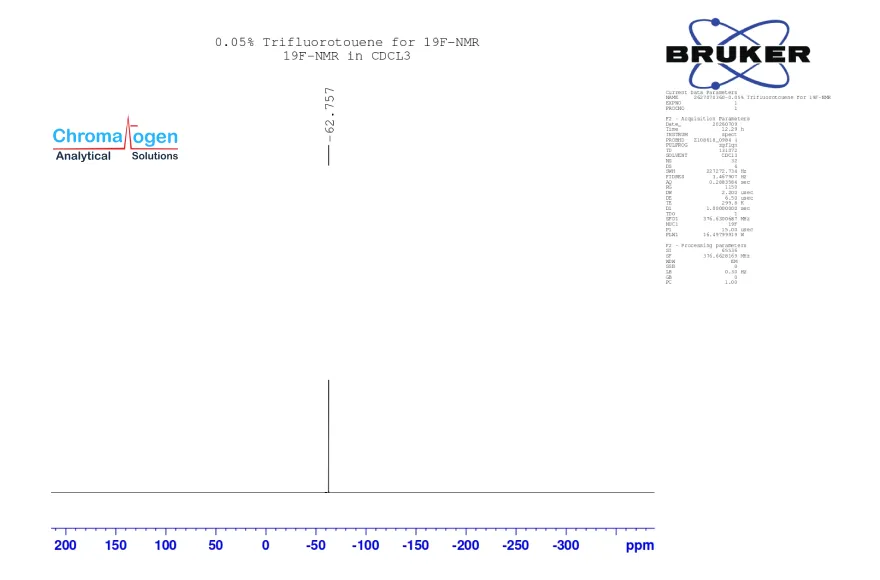
In modern pharmaceutical development, agrochemical research, and advanced materials science, the incorporation of fluorine atoms has become a powerful strategy
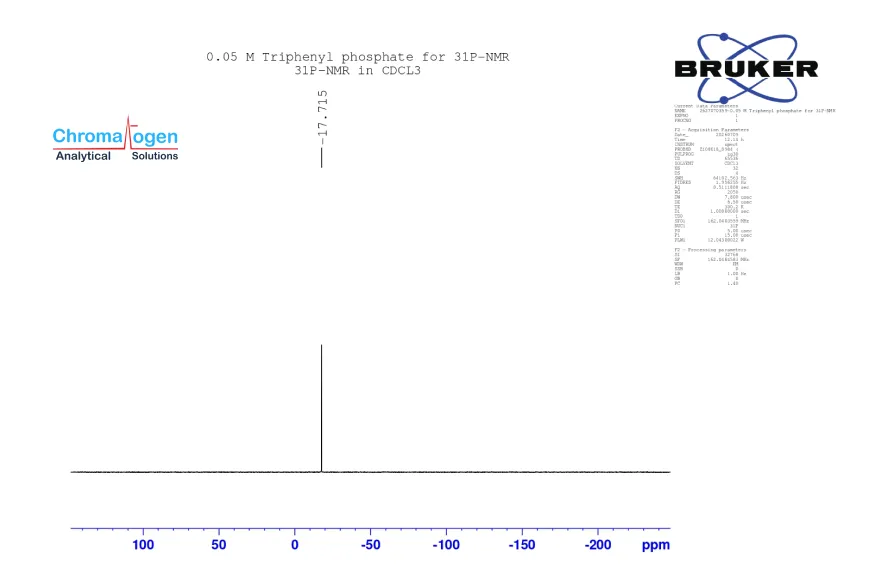
While Proton (1H) and Carbon (13C) NMR form the core of organic structural analysis, many specialized chemical compounds, catalysts, and
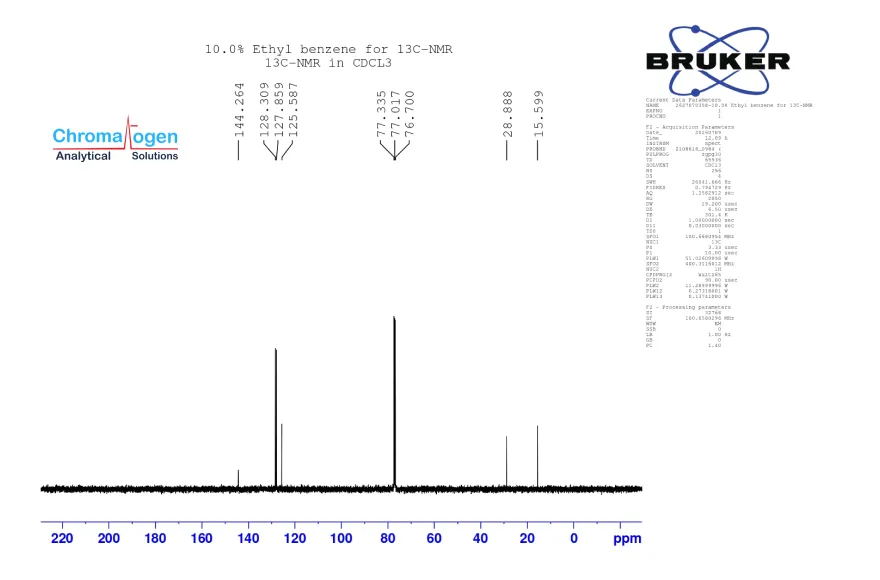
While Proton (1H) NMR spectroscopy provides a brilliant look at the hydrogen framework of a molecule, it doesn’t tell the