In analytical chemistry, separating and quantifying complex mixtures requires techniques matched to the physical state and chemical nature of the molecules involved. While liquid chromatography excels at non-volatile and thermally labile compounds, another technique serves as the undisputed benchmark for volatile and semi-volatile substances: Gas Chromatography (GC).
Widely utilized across pharmaceuticals, petrochemicals, environmental monitoring, and food safety, Gas Chromatography offers unmatched separation efficiency, high resolution, and sharp peak symmetry for vaporizable compounds.
What is Gas Chromatography?
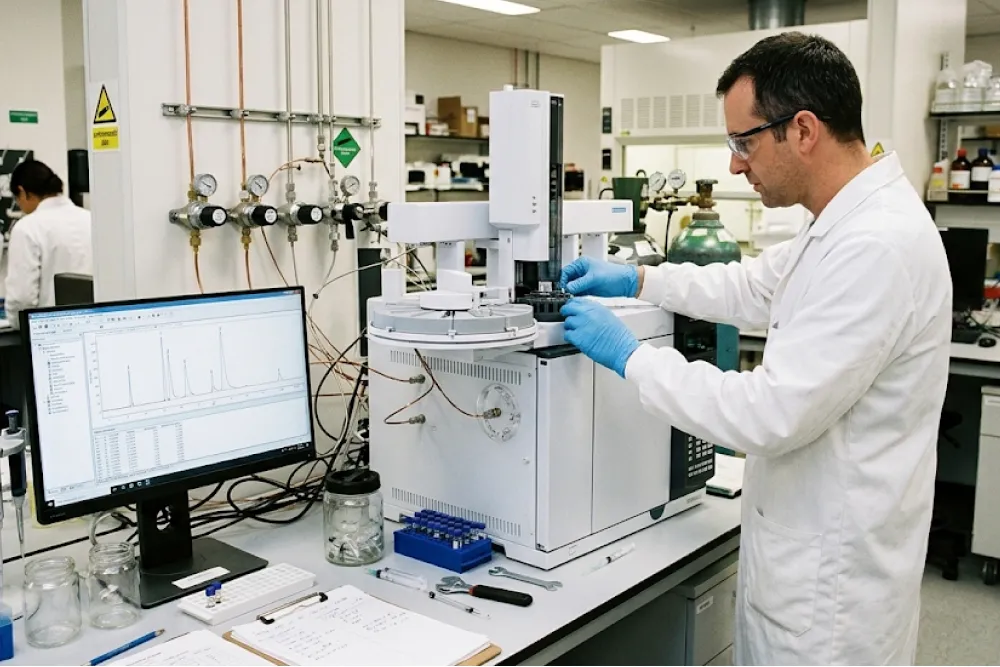
Gas Chromatography is an analytical separation technique where a sample is vaporized and swept through a stationary phase column by an inert gaseous mobile phase, commonly referred to as the carrier gas (typically helium, nitrogen, or hydrogen).
The separation mechanism depends on two primary factors:
- Boiling Point: Components with lower boiling points tend to vaporize faster and move more rapidly through the system.
- Stationary Phase Interaction: Compounds interact selectively with the liquid or polymer film coated on the inner wall of the capillary column (typically polydimethylsiloxane or polyethylene glycol phases), leading to differential retention times.
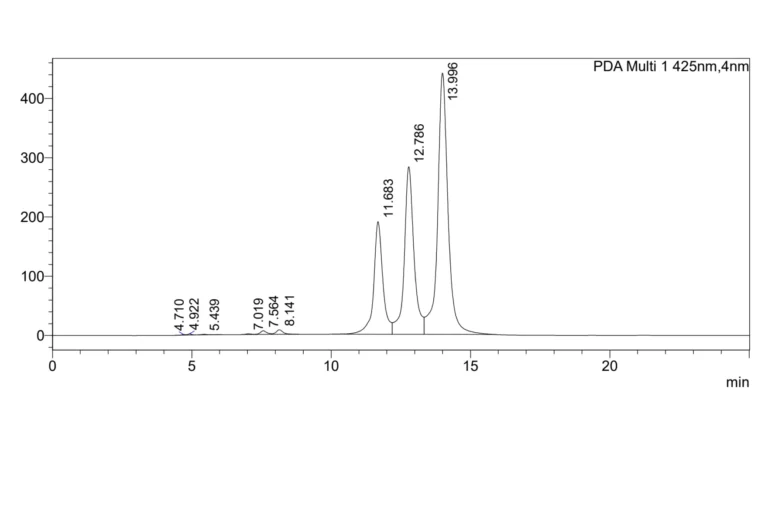
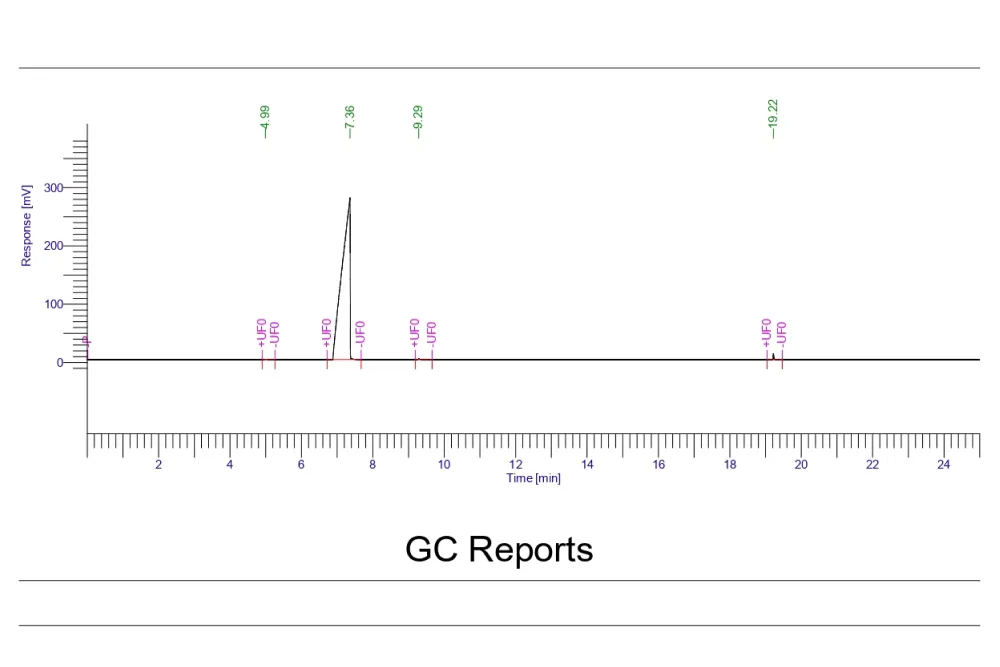
As components elute from the column at distinct intervals, a detector records the signals, generating a chromatogram where retention times confirm identity and peak areas determine concentration.
Key Detectors in Gas Chromatography
A major strength of GC is its compatibility with versatile, highly sensitive detection systems:
- Flame Ionization Detector (FID): The most common general-purpose detector for organic compounds. It burns the eluting analytes in a hydrogen-air flame to produce ions, offering a wide linear dynamic range and robust quantitative accuracy.
- Thermal Conductivity Detector (TCD): A non-destructive, universal detector that measures changes in thermal conductivity, ideal for analyzing permanent gases (like oxygen, nitrogen, and carbon monoxide).
- Electron Capture Detector (ECD): Highly selective and sensitive for halogenated substances, widely used in organochlorine pesticide testing and environmental trace analysis.
- Mass Spectrometry (GC-MS): Coupling gas chromatography to a mass spectrometer transforms the technique into a structural elucidation powerhouse, matching mass fragmentation spectra against NIST and reference libraries for definitive identification.
Core Applications of Gas Chromatography
Gas chromatography plays a vital role across multiple analytical and industrial sectors:
- Pharmaceutical Residual Solvents Testing: Monitoring Class 1, Class 2, and Class 3 organic volatile impurities in active pharmaceutical ingredients (APIs) and finished drug products according to USP <467> and ICH Q3C guidelines.
- Petrochemical & Fuel Analysis: Evaluating hydrocarbons, gasoline blends, natural gas composition, and boiling point distributions (simulated distillation).
- Environmental Monitoring: Detecting volatile organic compounds (VOCs), persistent organic pollutants, pesticides, and trace pollutants in air, soil, and water samples.
- Food, Flavors, and Fragrances: Profiling essential oils, terpene composition, aroma profiles, and fatty acid methyl esters (FAME analysis) to ensure authenticity and product consistency.
Sample Introduction Techniques in Modern GC
Because sample matrices vary, modern GC utilizes specialized sample introduction methods:
- Liquid Injection: Direct syringe introduction for soluble volatile liquids.
- Headspace Analysis (Static & Dynamic): Sampling only the vapor phase above a heated liquid or solid sample, essential for residual solvents and blood alcohol testing without column contamination.
- Purge and Trap: Concentrating trace volatiles from water or soil samples before thermal desorption into the column.
Reliable Gas Chromatography Services with Chromatogen
Conducting rigorous GC and GC-MS analysis demands modern capillary columns, optimized oven temperature ramps, clean carrier gas management, and seasoned analytical chemists who understand regulatory compliance.
At Chromatogen, our advanced analytical testing laboratory provides high-resolution GC, GC-MS, HPLC, and NMR testing services tailored to your R&D, structural validation, and quality control requirements.
Ready to achieve precise data for your volatile compound testing? Contact Chromatogen today to discuss your gas chromatography requirements with our experts.